Deepawali, Deepavali, or Diwali is the greatest and the most splendid of every Hindu celebration. It is the celebration of lights: profound signifies "light" and avali "a line" to end up "a line of lights." Diwali is set apart by four days of festivity, which truly enlightens the nation with its splendor and stuns individuals with its satisfaction.
The Diwali celebration happens in late October or early November. It falls on the fifteenth day of the Hindu month of Kartik, so it differs each year. Every one of the four days in the celebration of Diwali is set apart with an alternate convention. What stays steady is the festival of life, its delight, and a feeling of goodness.
Generally, Diwali can be followed back to antiquated India. It no doubt started as an essential collect celebration. Be that as it may, there are different legends indicating the cause of Diwali.
Some trust it to be the festival of the marriage of Lakshmi, the goddess of riches, with Lord Vishnu. Others utilize it as a festival of her birthday, as Lakshmi is said to have been conceived on the new-moon day of Kartik.
In Bengal, the celebration is devoted to the love of Mother Kali, the dull goddess of quality. Ruler Ganesha—the elephant-headed god and image of promise and astuteness—is additionally revered in most Hindu homes on this day. In Jainism, Deepawali has the additional noteworthiness of denoting the colossal occasion of Lord Mahavira achieving the interminable delight of nirvana.
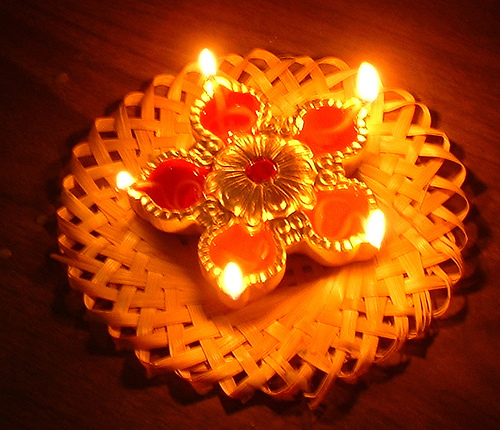
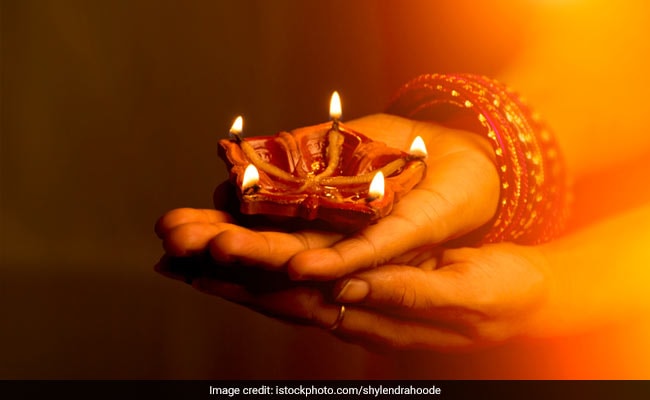
Diwali likewise recognizes the arrival of Lord Rama (alongside Ma Sita and Lakshman) from his 14-year-long outcast and vanquishing the evil presence ruler Ravana. In happy festival of the arrival of their lord, the general population of Ayodhya, the capital of Rama, lit up the kingdom with earthen diyas (oil lights) and set off fireworks.
Every day of Diwali has its very own story to tell. The main day of the celebration, Naraka Chaturdasi marks the vanquishing of the evil spirit Naraka by Lord Krishna and his better half Satyabhama.
Amavasya, the second day of Deepawali, marks the love of Lakshmi when she is in her most big-hearted state of mind, satisfying the desires of her fans. Amavasya likewise recounts the account of Lord Vishnu, who, in his smaller person manifestation, vanquished the despot Bali and expelled him to hellfire. Bali is permitted to come back to earth once per year to light a great many lights and scatter murkiness and numbness while spreading the brilliance of affection and knowledge.
It is on the third day of Deepawali, Kartika Shudda Padyami, that Bali ventures out of damnation and standards the earth as indicated by the help given by Lord Vishnu. The fourth day is alluded to as Yama Dvitiya (likewise called Bhai Dooj), and on this day sisters welcome their siblings to their homes.
A few people allude to Diwali as a five-day celebration since they incorporate the celebration of Dhanteras (dhan signifying "riches" and teras signifying "thirteenth"). This festival of riches and flourishing happens two days before the celebration of lights.
The convention of betting on Diwali likewise has a legend behind it. It is trusted that on this day, Goddess Parvati played shakers with her significant other Lord Shiva. She proclaimed that whosoever bet on Diwali night would succeed all through the following year.
The majority of the straightforward ceremonies of Diwali have a noteworthiness and a story behind them. Homes are enlightened with lights, and fireworks fill the skies as a statement of regard to the sky for the achievement of wellbeing, riches, learning, peace, and success.
As per one conviction, the sound of fireworks shows the delight of the general population living on earth, making the divine beings mindful of their ample state. Still another conceivable reason has a more logical premise: the exhaust created by the fireworks execute or repulse numerous creepy crawlies, including mosquitoes, which are copious after the downpours.
Past the lights, betting, and fun, Diwali is likewise an opportunity to think about existence and roll out improvements for the forthcoming year. With that, there are various traditions that revelers hold dear every year.
Give and excuse. Usually hone that individuals overlook and pardon the wrongs done by others amid Diwali. There is a demeanor of opportunity, party, and benevolence all over the place.
Rise and sparkle. Awakening amid the Brahmamuhurta (at 4 a.m., or 1/2 hours before dawn) is an incredible gift from the stance of wellbeing, moral order, effectiveness in work, and profound headway. The sages who established this Deepawali custom may have trusted that their relatives would understand its advantages and make it a general propensity in their lives.
Join together and bring together. Diwali is a binding together occasion, and it can relax even the hardest of hearts. It is a period when individuals blend about in euphoria and grasp each other.
Those with sharp internal otherworldly ears will unmistakably hear the voice of the sages, "O offspring of God join together, and love every one of." The vibrations created by the welcome of affection, which fill the climate, are intense. At the point when the heart has significantly solidified, just a ceaseless festival of Deepavali can revive the dire need of getting some distance from the ruinous way of scorn.
Flourish and advancement. On this day, Hindu vendors in North India open their new record books and petition God for progress and thriving amid the coming year. Individuals purchase new garments for the family. Bosses, as well, buy new garments for their workers.
Homes are cleaned and brightened by day and lit up by night with earthen oil lights. The best and best enlightenments can be found in Bombay and Amritsar. The renowned Golden Temple at Amritsar is lit at night with a great many lights.
This celebration ingrains philanthropy in the hearts of individuals, who perform great deeds. This incorporates Govardhan Puja, a festival by Vaishnavites on the fourth day of Diwali. On this day, they feed the poor on an unfathomable scale.
Enlighten your internal identity. The lights of Diwali additionally imply a period of inward enlightenment. Hindus trust that the light of lights is the one that relentlessly sparkles in the assembly of the heart. Sitting unobtrusively and settling the psyche on this preeminent light enlightens the spirit. It is a chance to develop and appreciate interminable joy.
In every legend, fantasy, and story of Deepawali lies the noteworthiness of the triumph of good over abhorrence. It is with each Deepawali and the lights that enlighten our homes and hearts that this straightforward truth finds new reason and expectation.
From murkiness unto light—the light engages us to invest in great deeds and conveys us closer to eternality. Amid Diwali, lights enlighten each side of India, and the fragrance of incense sticks lingers palpably, blended with the hints of sparklers, bliss, harmony, and expectation.
Diwali is praised the world over. Outside of India, it is in excess of a Hindu celebration; it's a festival of South-Asian personalities. On the off chance that you are far from the sights and hints of Diwali, light a diya, sit unobtrusively, close your eyes, pull back the faculties, focus on this preeminent light, and enlighten the spirit.
The Diwali celebration happens in late October or early November. It falls on the fifteenth day of the Hindu month of Kartik, so it differs each year. Every one of the four days in the celebration of Diwali is set apart with an alternate convention. What stays steady is the festival of life, its delight, and a feeling of goodness.
The Origins of Diwali
Generally, Diwali can be followed back to antiquated India. It no doubt started as an essential collect celebration. Be that as it may, there are different legends indicating the cause of Diwali.
Some trust it to be the festival of the marriage of Lakshmi, the goddess of riches, with Lord Vishnu. Others utilize it as a festival of her birthday, as Lakshmi is said to have been conceived on the new-moon day of Kartik.
In Bengal, the celebration is devoted to the love of Mother Kali, the dull goddess of quality. Ruler Ganesha—the elephant-headed god and image of promise and astuteness—is additionally revered in most Hindu homes on this day. In Jainism, Deepawali has the additional noteworthiness of denoting the colossal occasion of Lord Mahavira achieving the interminable delight of nirvana.
Diwali likewise recognizes the arrival of Lord Rama (alongside Ma Sita and Lakshman) from his 14-year-long outcast and vanquishing the evil presence ruler Ravana. In happy festival of the arrival of their lord, the general population of Ayodhya, the capital of Rama, lit up the kingdom with earthen diyas (oil lights) and set off fireworks.
The Four Days of Diwali
Every day of Diwali has its very own story to tell. The main day of the celebration, Naraka Chaturdasi marks the vanquishing of the evil spirit Naraka by Lord Krishna and his better half Satyabhama.
Amavasya, the second day of Deepawali, marks the love of Lakshmi when she is in her most big-hearted state of mind, satisfying the desires of her fans. Amavasya likewise recounts the account of Lord Vishnu, who, in his smaller person manifestation, vanquished the despot Bali and expelled him to hellfire. Bali is permitted to come back to earth once per year to light a great many lights and scatter murkiness and numbness while spreading the brilliance of affection and knowledge.
It is on the third day of Deepawali, Kartika Shudda Padyami, that Bali ventures out of damnation and standards the earth as indicated by the help given by Lord Vishnu. The fourth day is alluded to as Yama Dvitiya (likewise called Bhai Dooj), and on this day sisters welcome their siblings to their homes.
Dhanteras: The Tradition of Gambling
A few people allude to Diwali as a five-day celebration since they incorporate the celebration of Dhanteras (dhan signifying "riches" and teras signifying "thirteenth"). This festival of riches and flourishing happens two days before the celebration of lights.
The convention of betting on Diwali likewise has a legend behind it. It is trusted that on this day, Goddess Parvati played shakers with her significant other Lord Shiva. She proclaimed that whosoever bet on Diwali night would succeed all through the following year.
The Significance of Lights and Firecrackers
The majority of the straightforward ceremonies of Diwali have a noteworthiness and a story behind them. Homes are enlightened with lights, and fireworks fill the skies as a statement of regard to the sky for the achievement of wellbeing, riches, learning, peace, and success.
As per one conviction, the sound of fireworks shows the delight of the general population living on earth, making the divine beings mindful of their ample state. Still another conceivable reason has a more logical premise: the exhaust created by the fireworks execute or repulse numerous creepy crawlies, including mosquitoes, which are copious after the downpours.
The Spiritual Significance of Diwali
Past the lights, betting, and fun, Diwali is likewise an opportunity to think about existence and roll out improvements for the forthcoming year. With that, there are various traditions that revelers hold dear every year.
Give and excuse. Usually hone that individuals overlook and pardon the wrongs done by others amid Diwali. There is a demeanor of opportunity, party, and benevolence all over the place.
Rise and sparkle. Awakening amid the Brahmamuhurta (at 4 a.m., or 1/2 hours before dawn) is an incredible gift from the stance of wellbeing, moral order, effectiveness in work, and profound headway. The sages who established this Deepawali custom may have trusted that their relatives would understand its advantages and make it a general propensity in their lives.
Join together and bring together. Diwali is a binding together occasion, and it can relax even the hardest of hearts. It is a period when individuals blend about in euphoria and grasp each other.
Those with sharp internal otherworldly ears will unmistakably hear the voice of the sages, "O offspring of God join together, and love every one of." The vibrations created by the welcome of affection, which fill the climate, are intense. At the point when the heart has significantly solidified, just a ceaseless festival of Deepavali can revive the dire need of getting some distance from the ruinous way of scorn.
Flourish and advancement. On this day, Hindu vendors in North India open their new record books and petition God for progress and thriving amid the coming year. Individuals purchase new garments for the family. Bosses, as well, buy new garments for their workers.
Homes are cleaned and brightened by day and lit up by night with earthen oil lights. The best and best enlightenments can be found in Bombay and Amritsar. The renowned Golden Temple at Amritsar is lit at night with a great many lights.
This celebration ingrains philanthropy in the hearts of individuals, who perform great deeds. This incorporates Govardhan Puja, a festival by Vaishnavites on the fourth day of Diwali. On this day, they feed the poor on an unfathomable scale.
Enlighten your internal identity. The lights of Diwali additionally imply a period of inward enlightenment. Hindus trust that the light of lights is the one that relentlessly sparkles in the assembly of the heart. Sitting unobtrusively and settling the psyche on this preeminent light enlightens the spirit. It is a chance to develop and appreciate interminable joy.
From Darkness Unto Light...
In every legend, fantasy, and story of Deepawali lies the noteworthiness of the triumph of good over abhorrence. It is with each Deepawali and the lights that enlighten our homes and hearts that this straightforward truth finds new reason and expectation.
From murkiness unto light—the light engages us to invest in great deeds and conveys us closer to eternality. Amid Diwali, lights enlighten each side of India, and the fragrance of incense sticks lingers palpably, blended with the hints of sparklers, bliss, harmony, and expectation.
Diwali is praised the world over. Outside of India, it is in excess of a Hindu celebration; it's a festival of South-Asian personalities. On the off chance that you are far from the sights and hints of Diwali, light a diya, sit unobtrusively, close your eyes, pull back the faculties, focus on this preeminent light, and enlighten the spirit.

No comments:
Post a Comment